Greater Sudbury · remote anywhere
Tired of software built for somebody else's business?
We build web apps for small businesses, around the way you already work. Start from one of our working demos or from nothing. You own the code and the data.
Demos
What have we built?
13 working apps, each with a real database and sample data. They show what we can do, and any of them can be the starting point for yours.
Climbing gyms
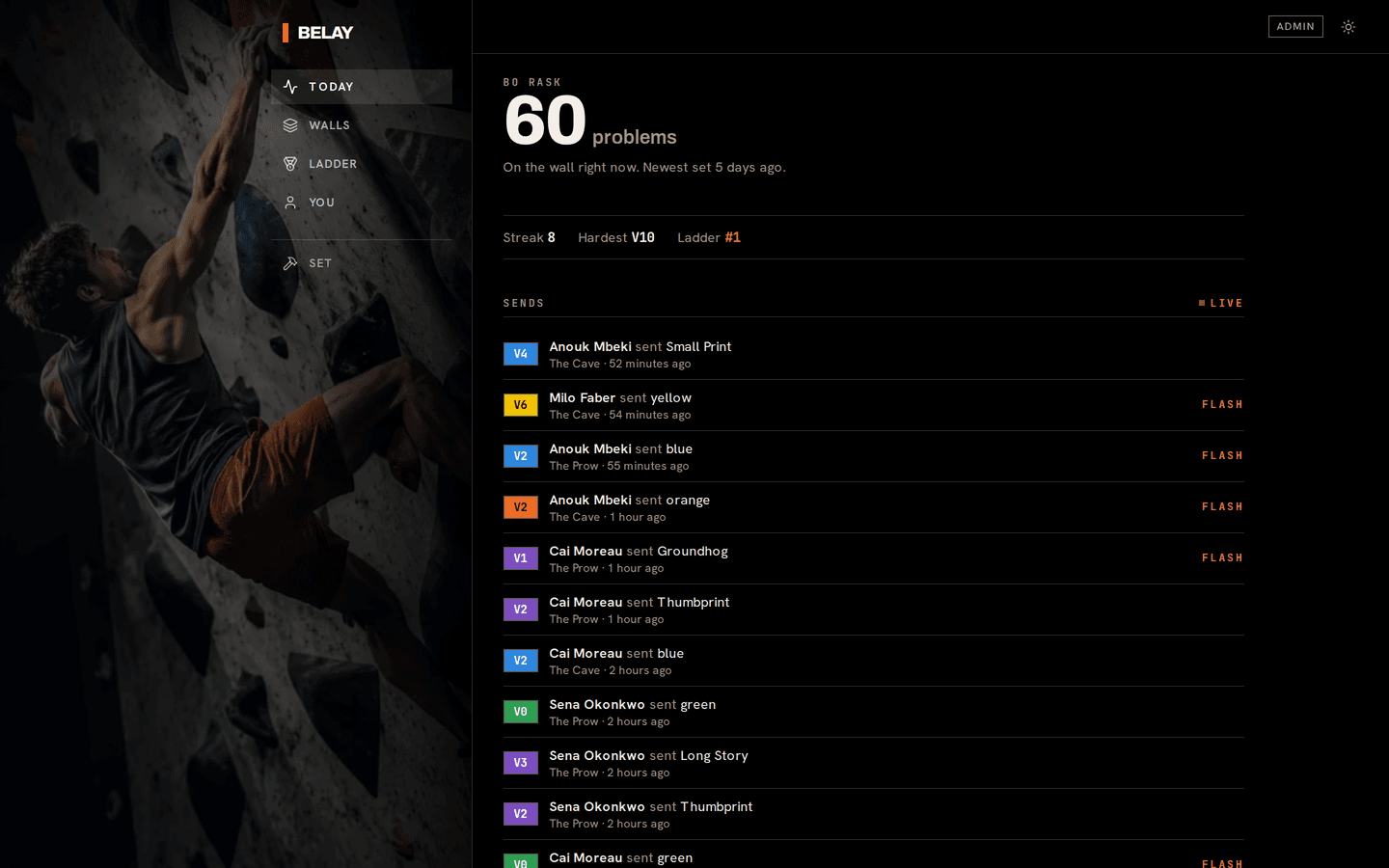
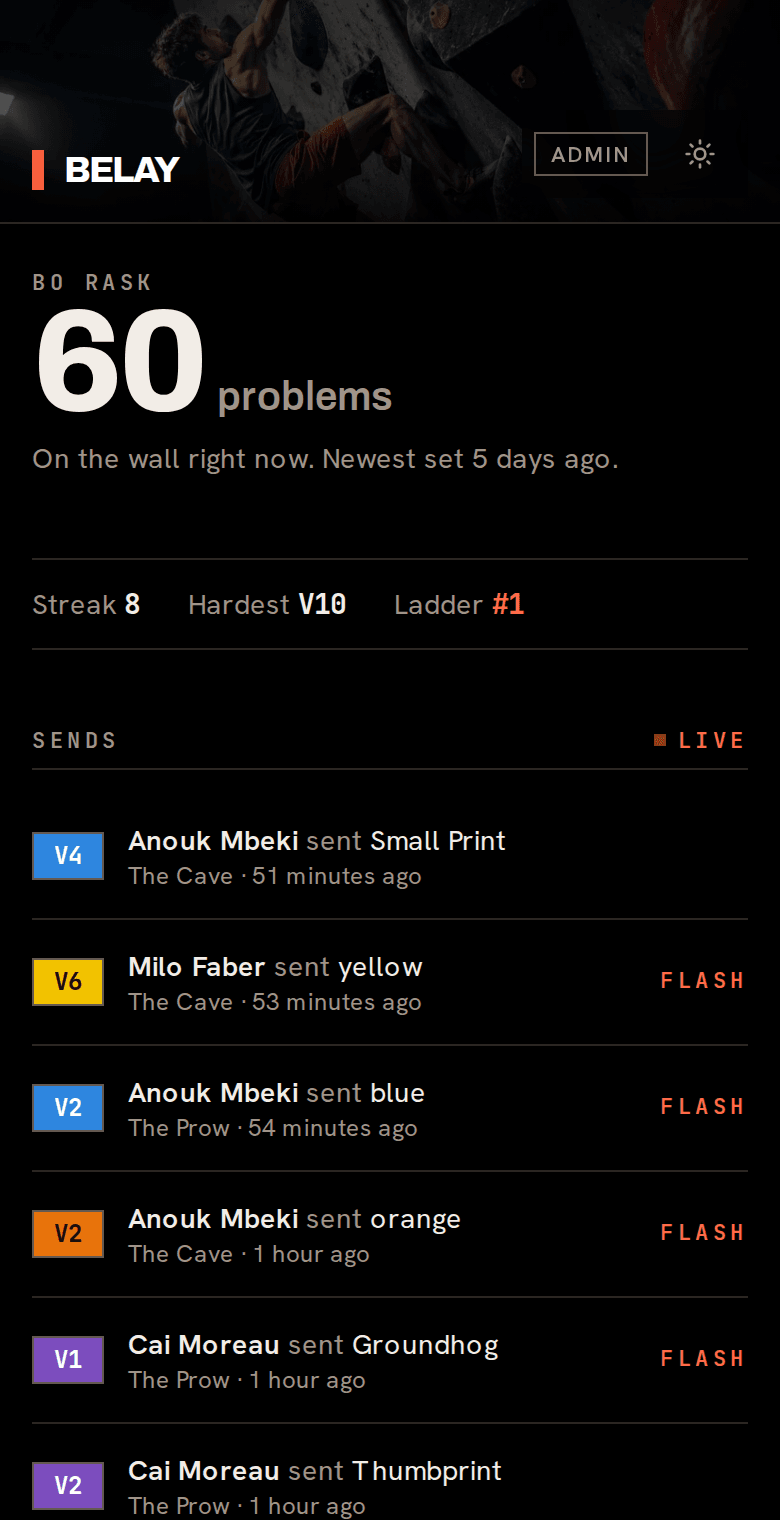
Belay
Route tracking and competitions for a climbing gym, starting from a sticker on the wall.
CloudPremadeLive demo
Tournament organisers
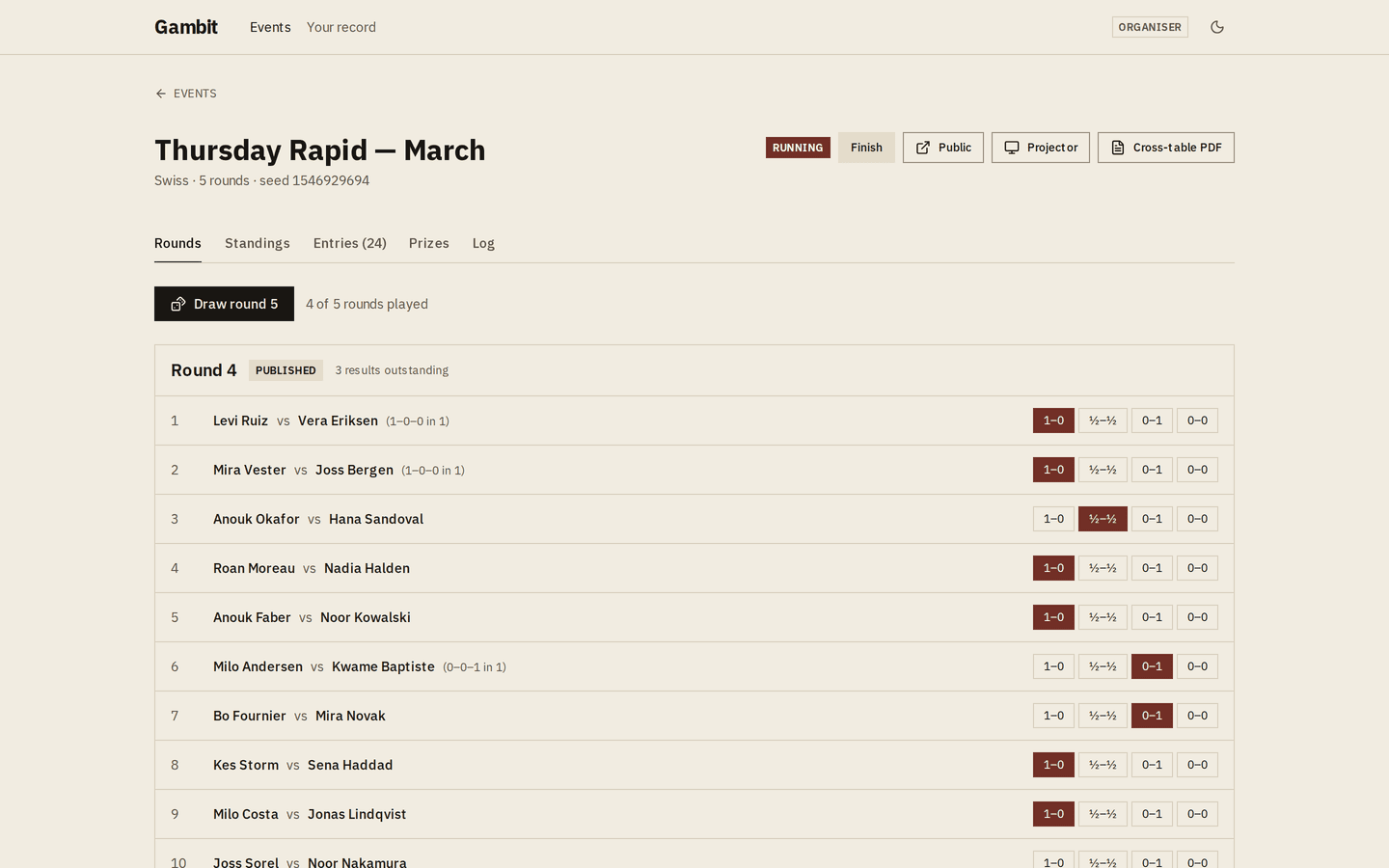
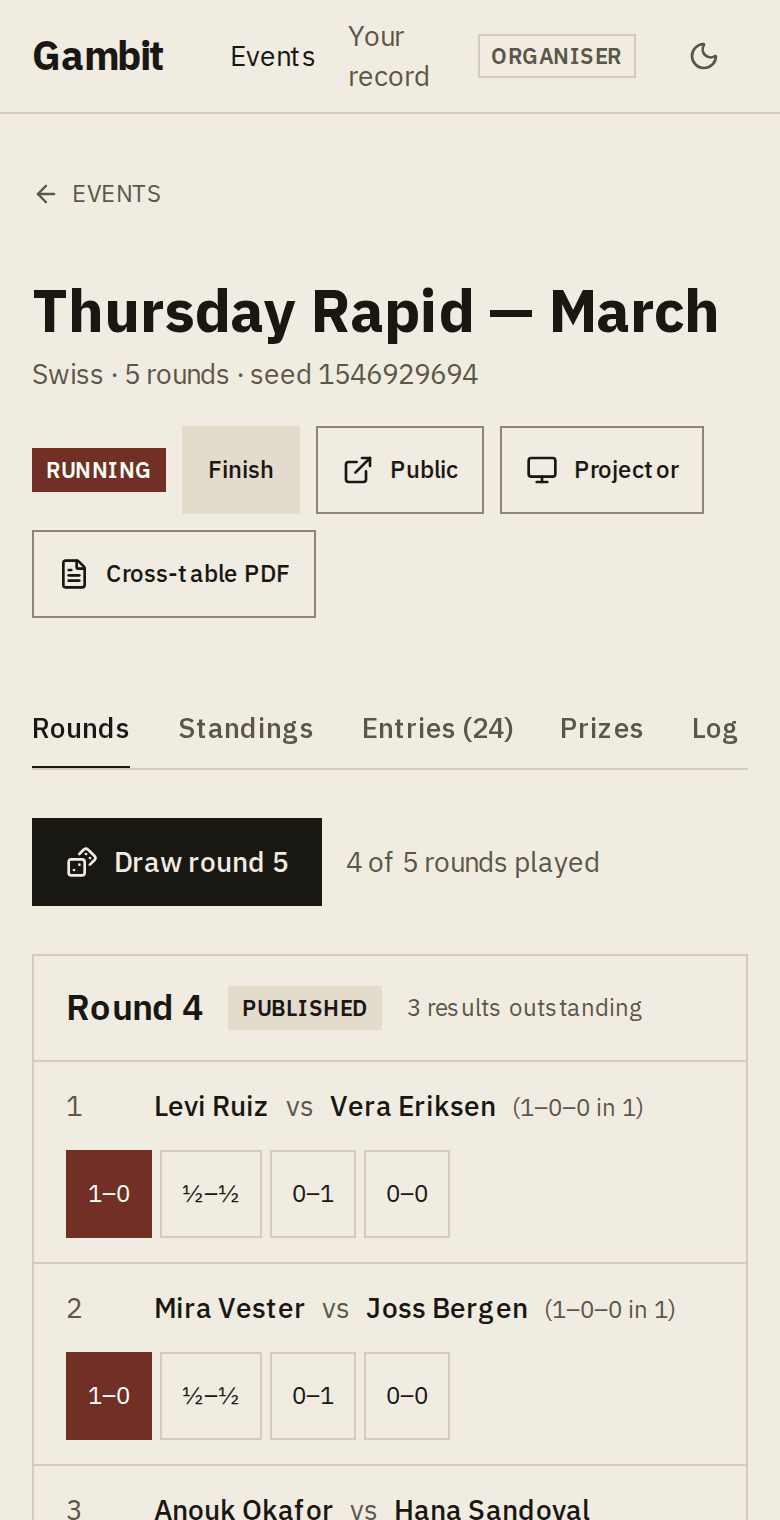
Gambit
Pairings and standings for chess clubs, card shops and fighting-game events.
CloudCustomLive demo
Collectors
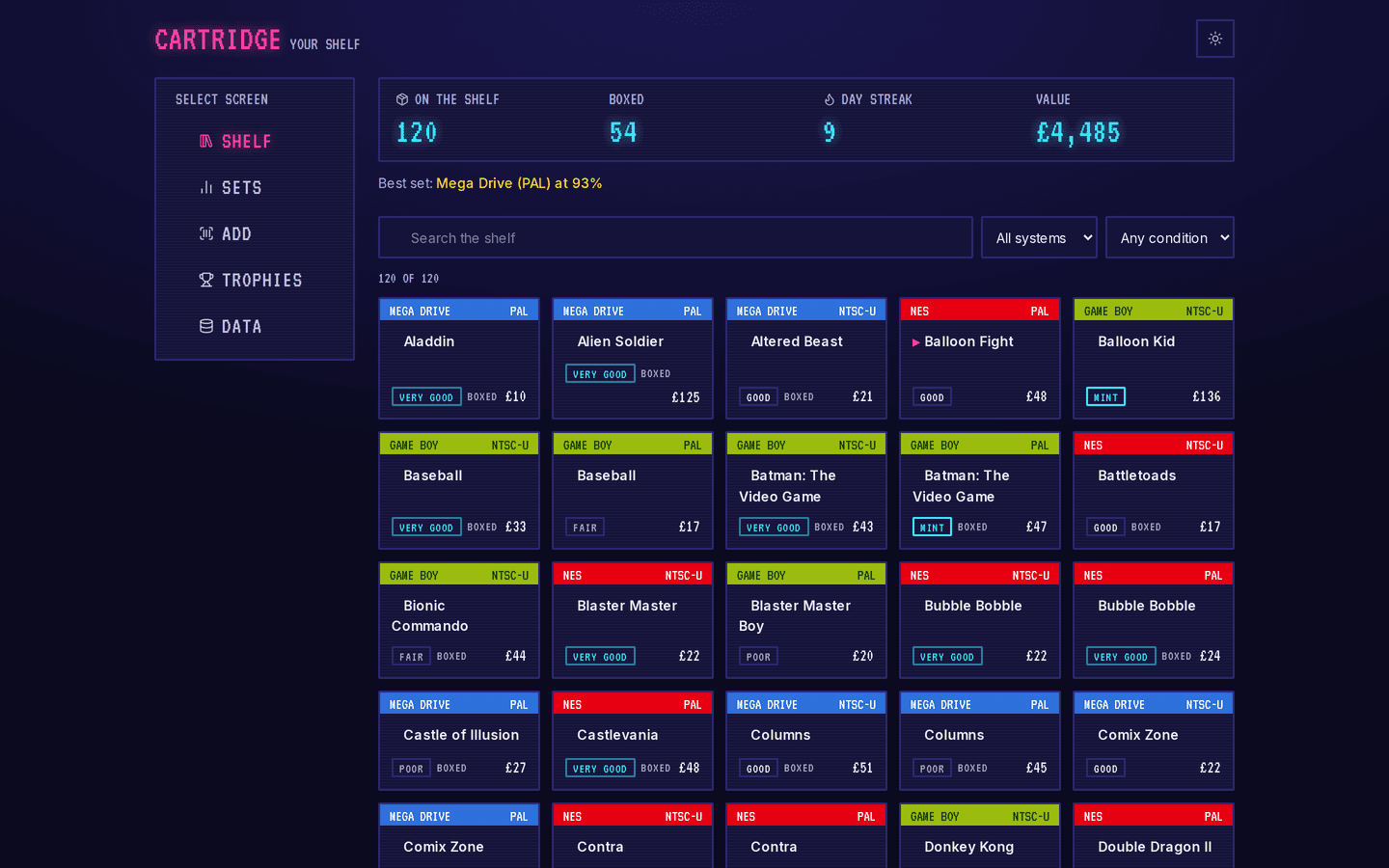
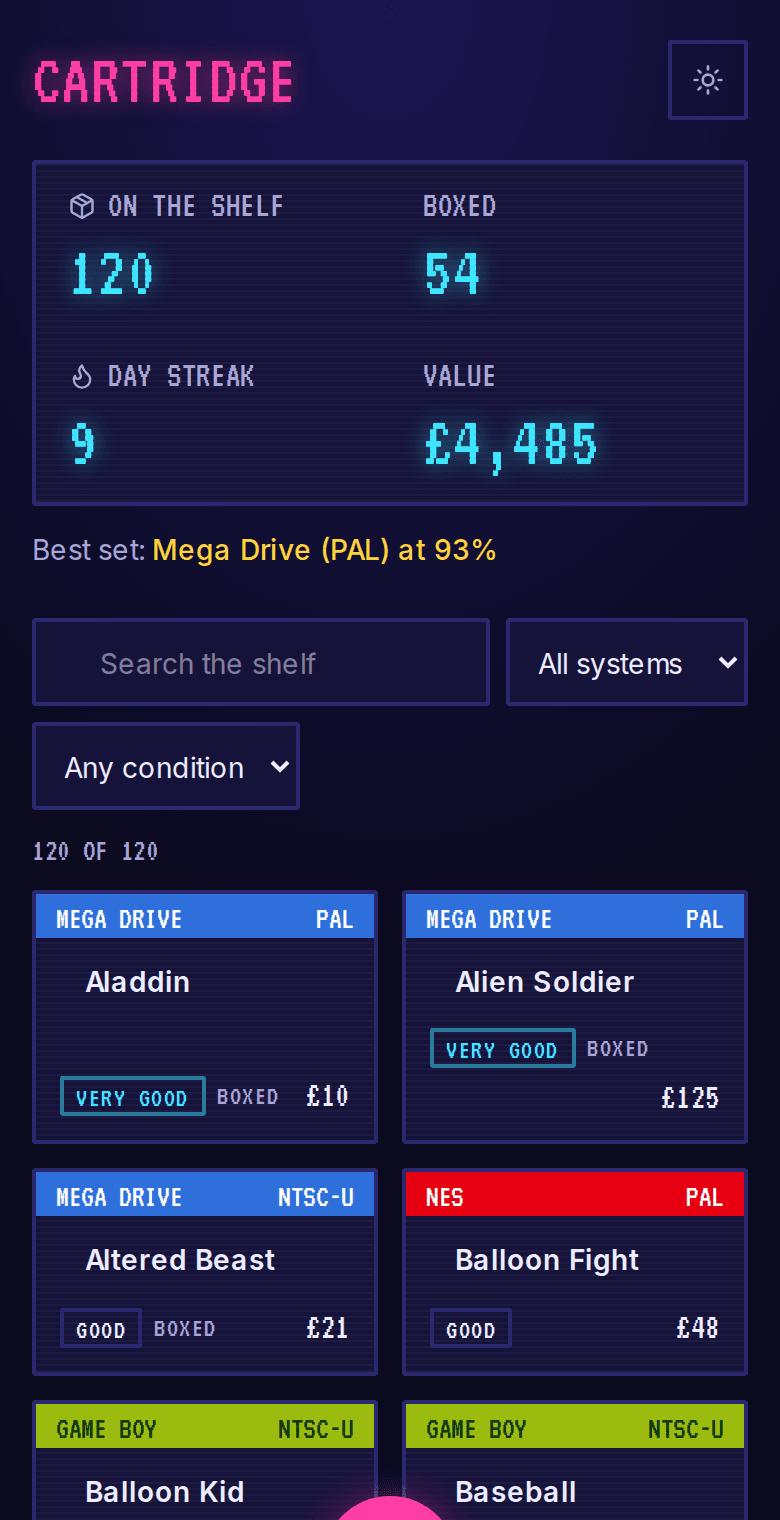
Cartridge
A retro game catalogue that lives on your phone, ready at the next swap meet.
LocalPremadeLive demo
Shared households & trips
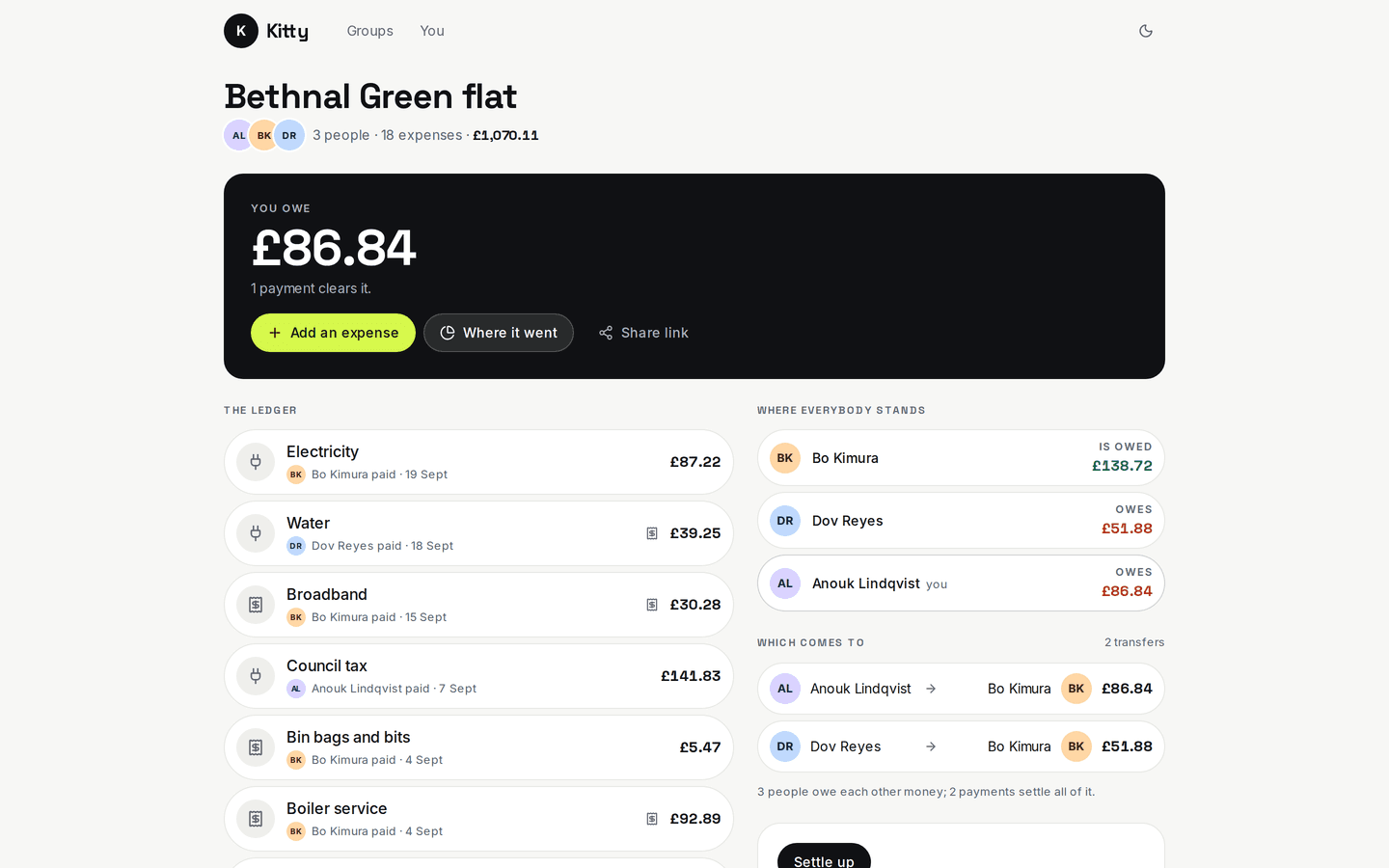
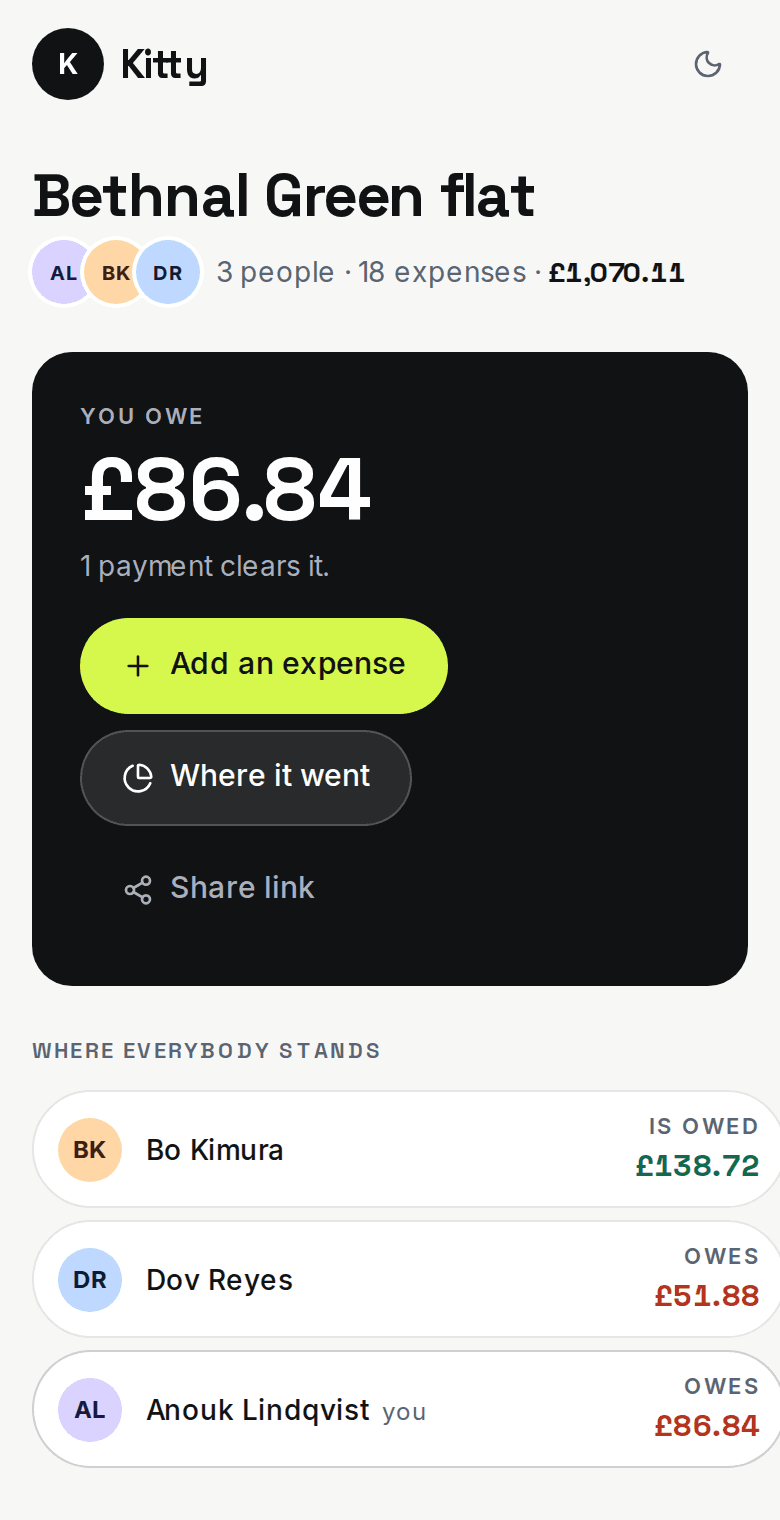
Split
Shared costs for trips and shared houses, settled in the fewest payments.
CloudPremadeLive demo
Homeowners
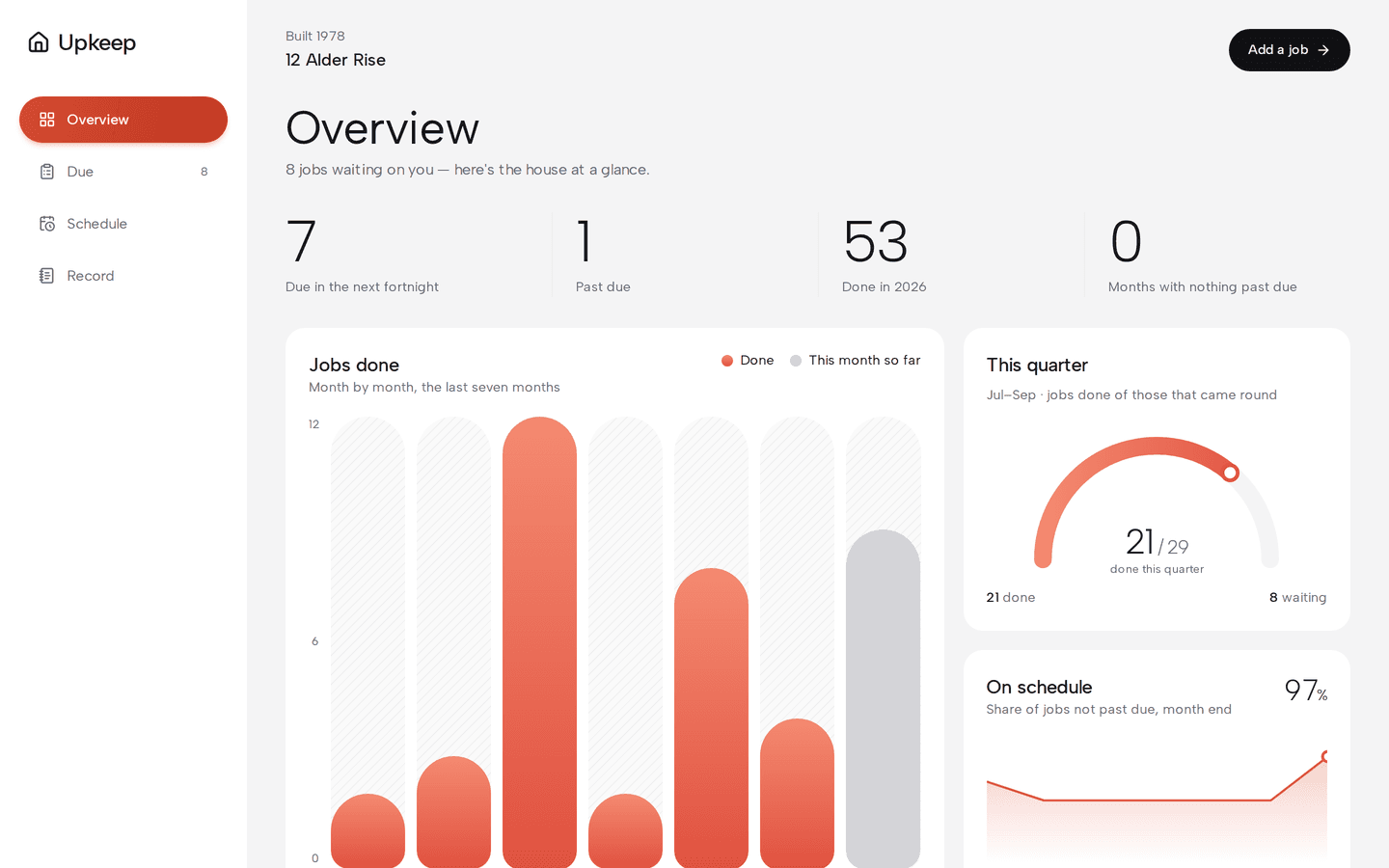
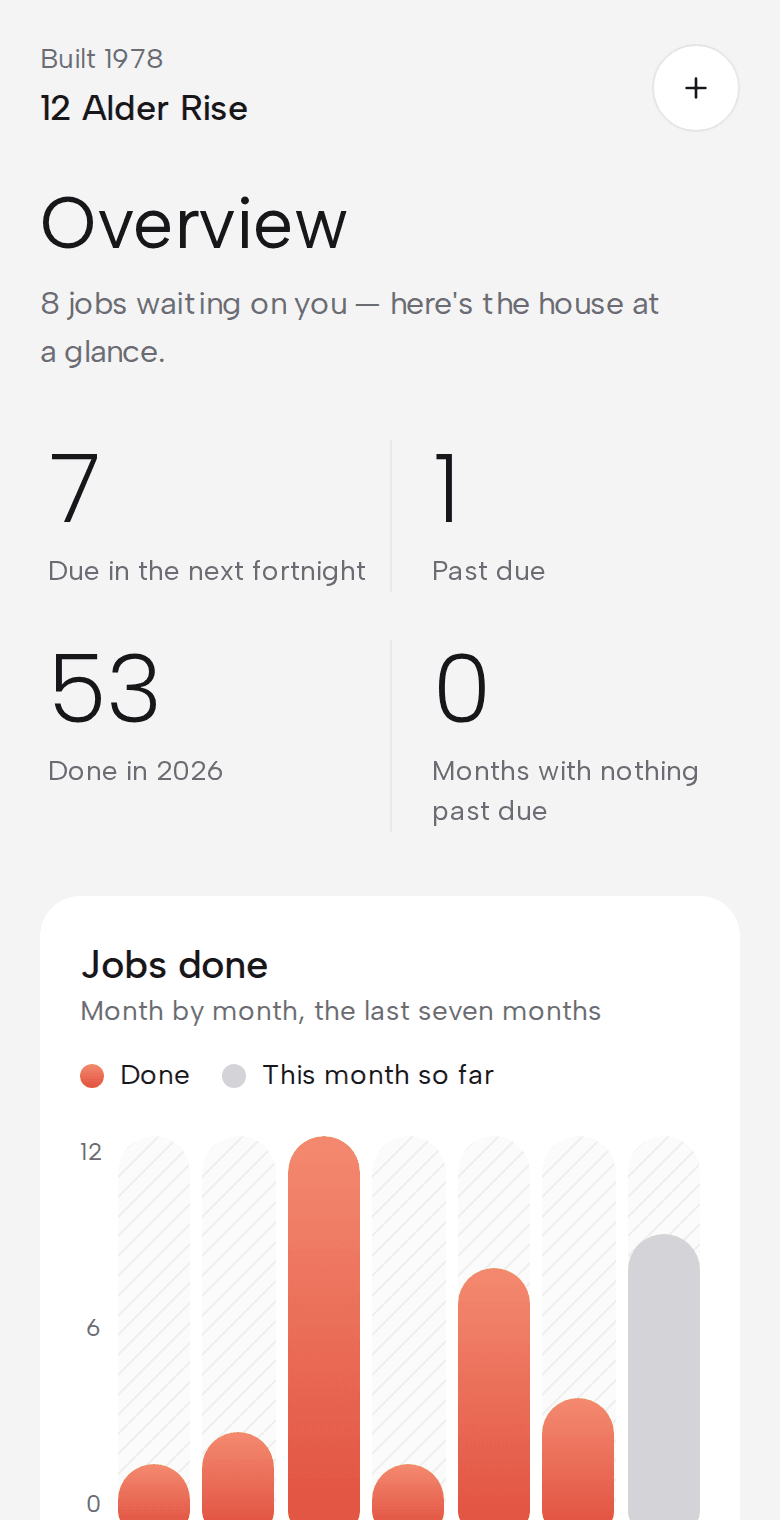
Upkeep
A home maintenance schedule that remembers which part you used last time.
CloudPremadeLive demo
Roofing
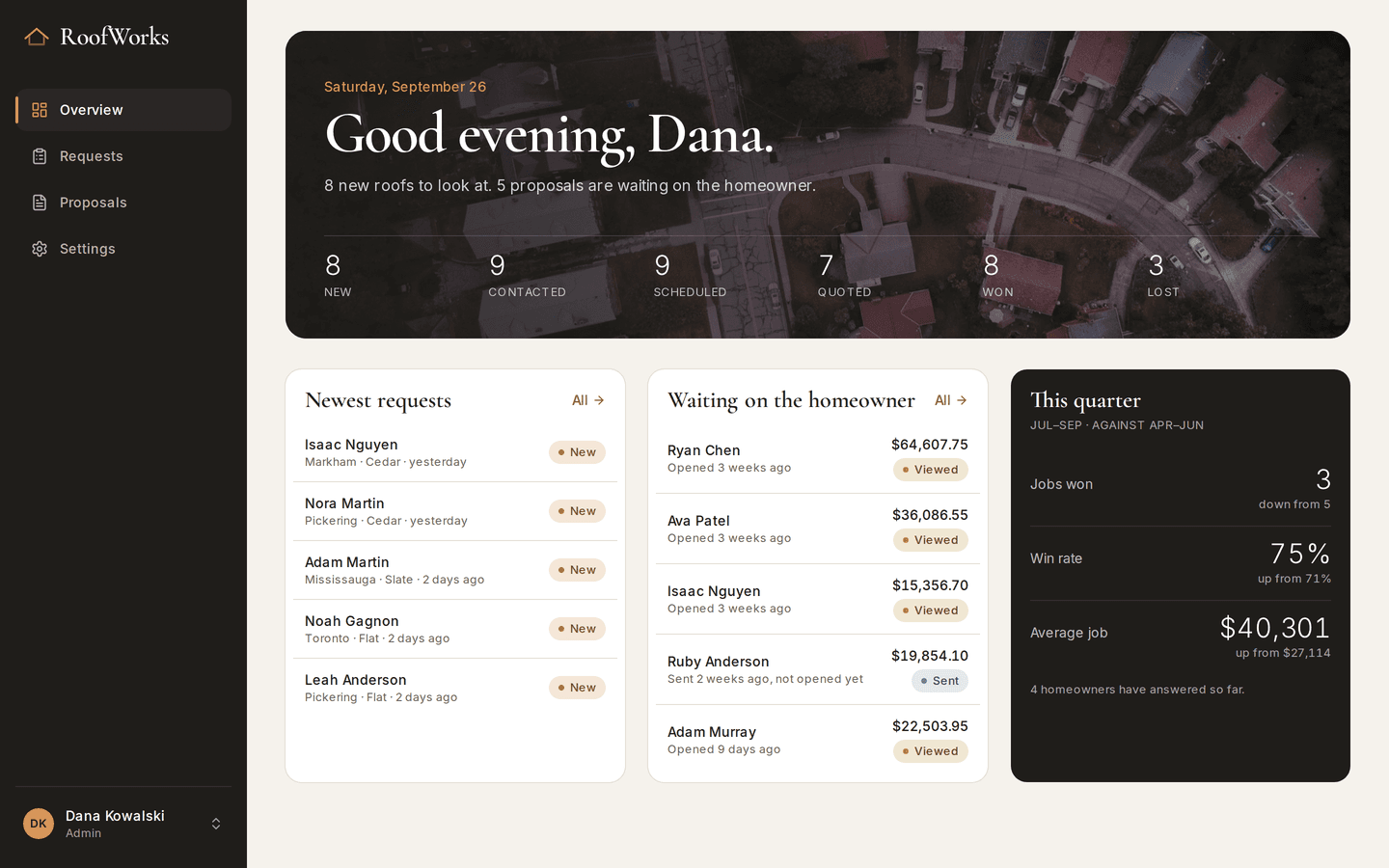
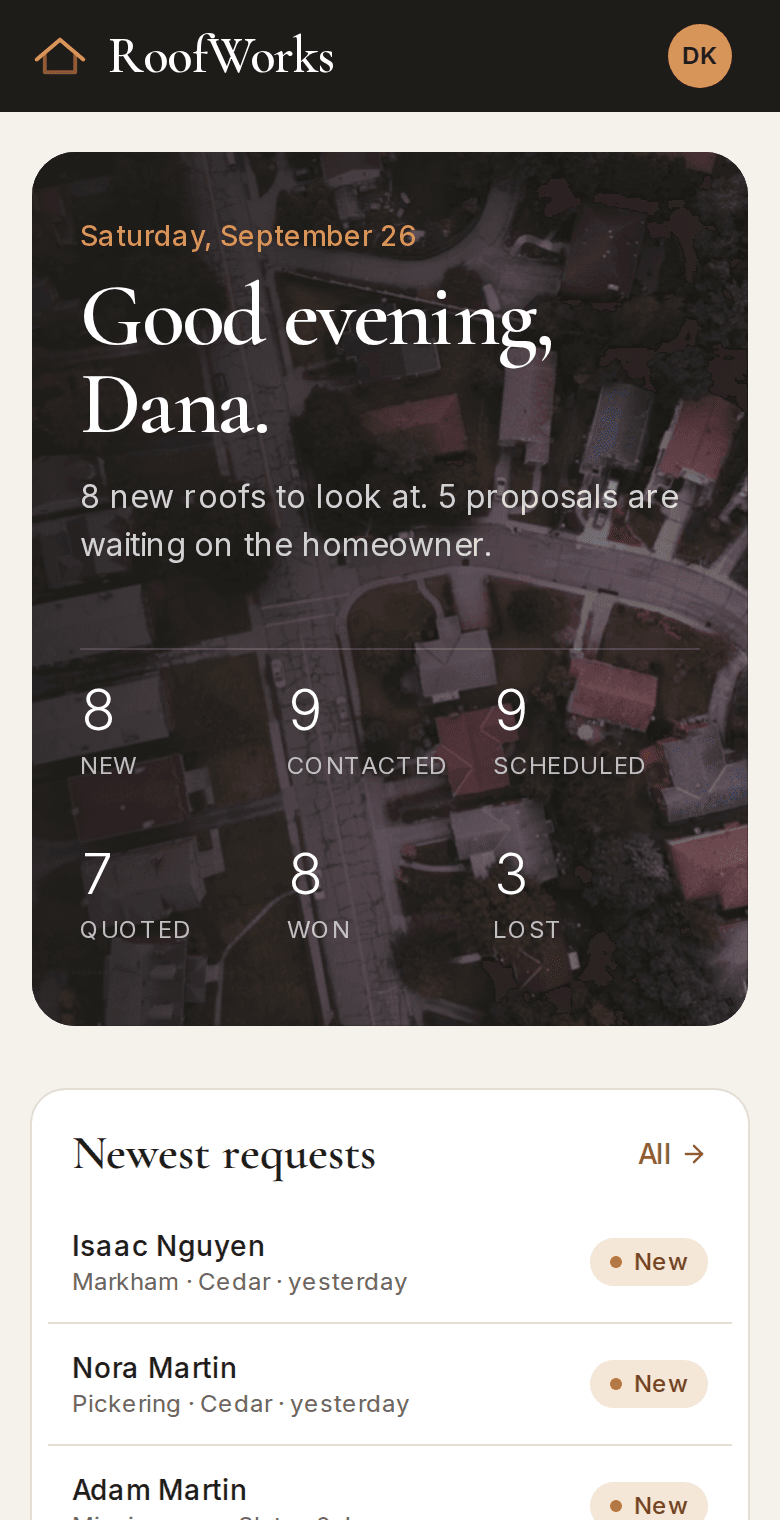
Roofer
Estimate requests and priced proposals for a roofing company.
CloudCustomLive demo
Esports organisations
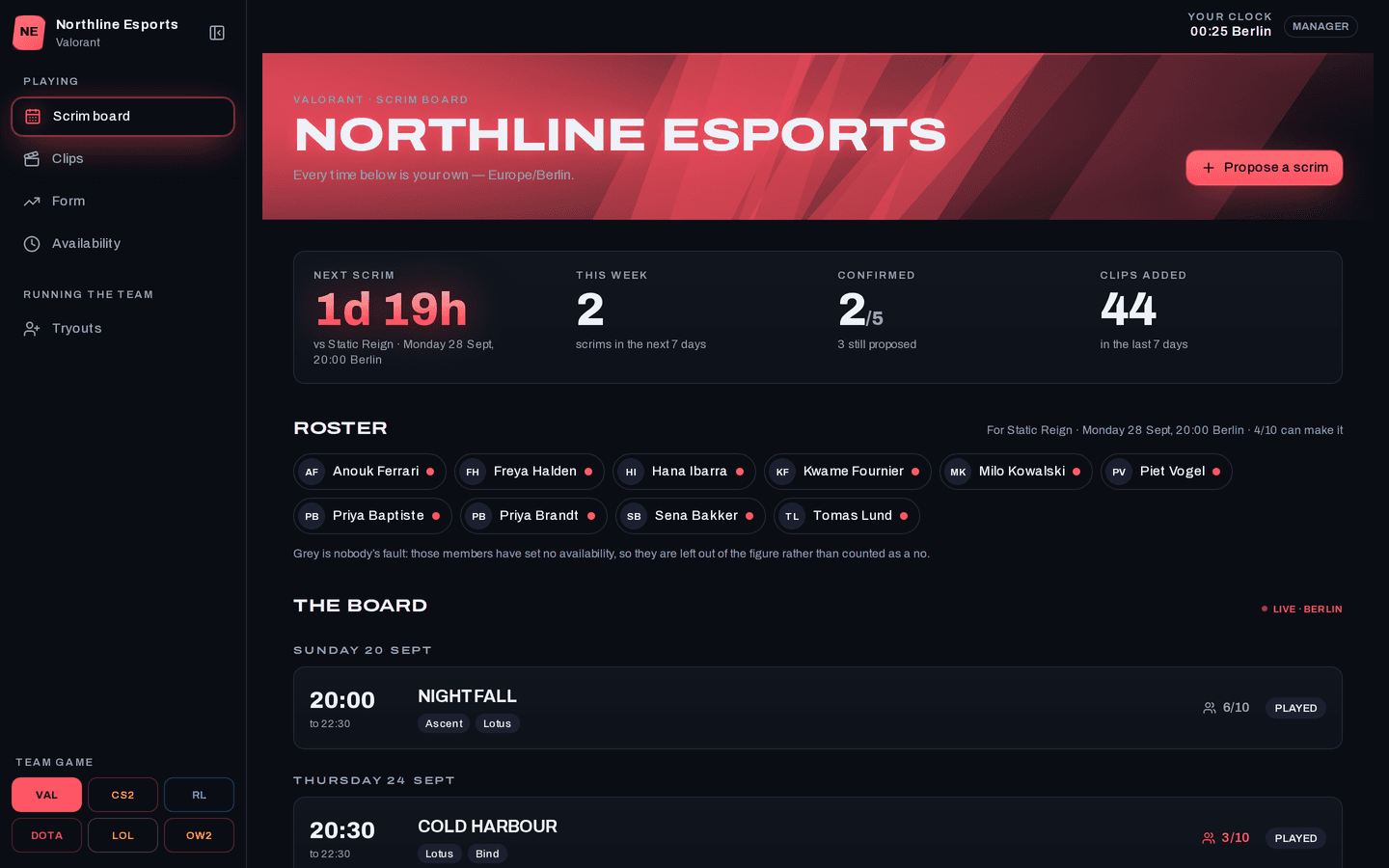
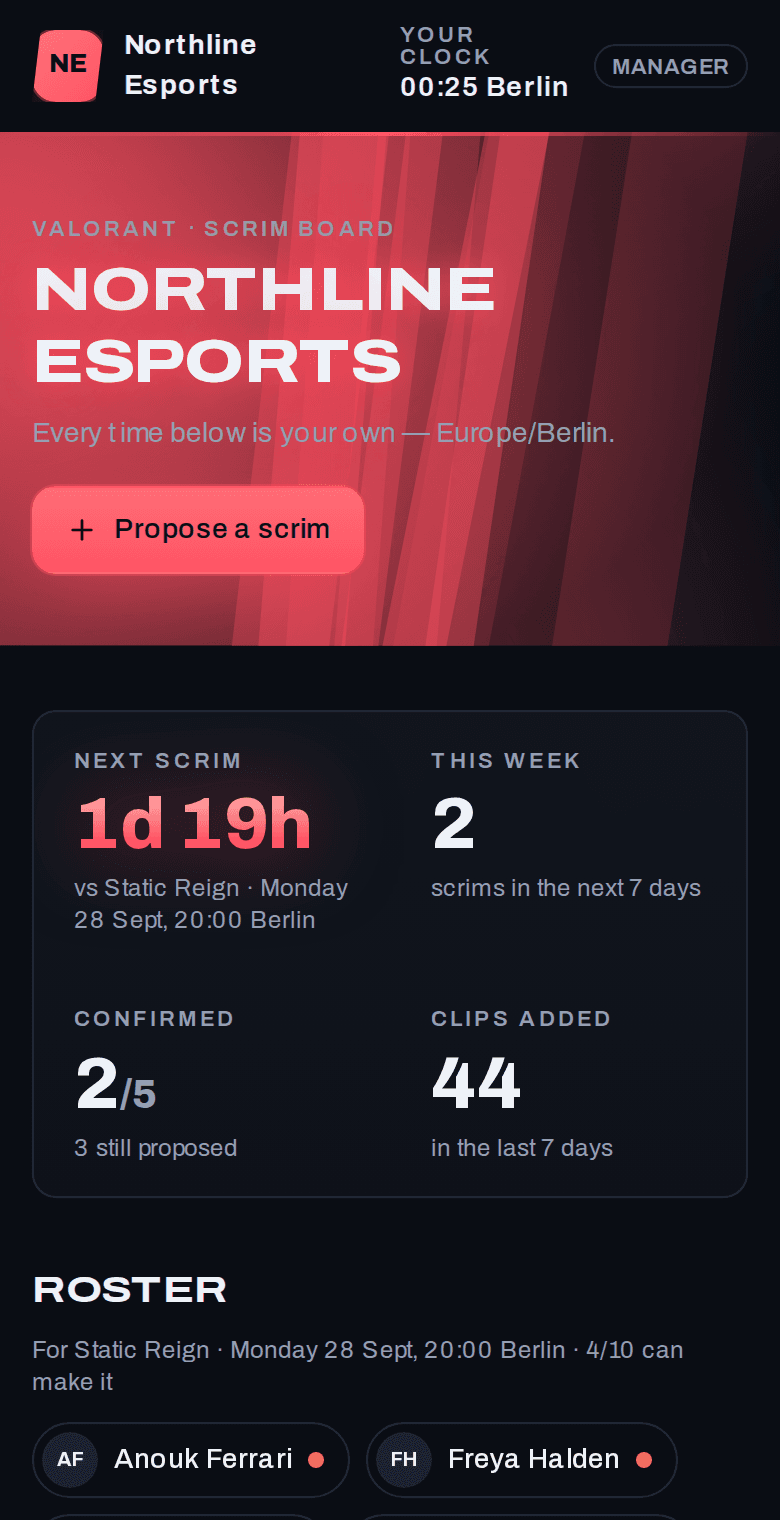
Replay
Scrim scheduling and VOD review for a team that never shares a time zone.
CloudCustomLive demo
Independent auto repair
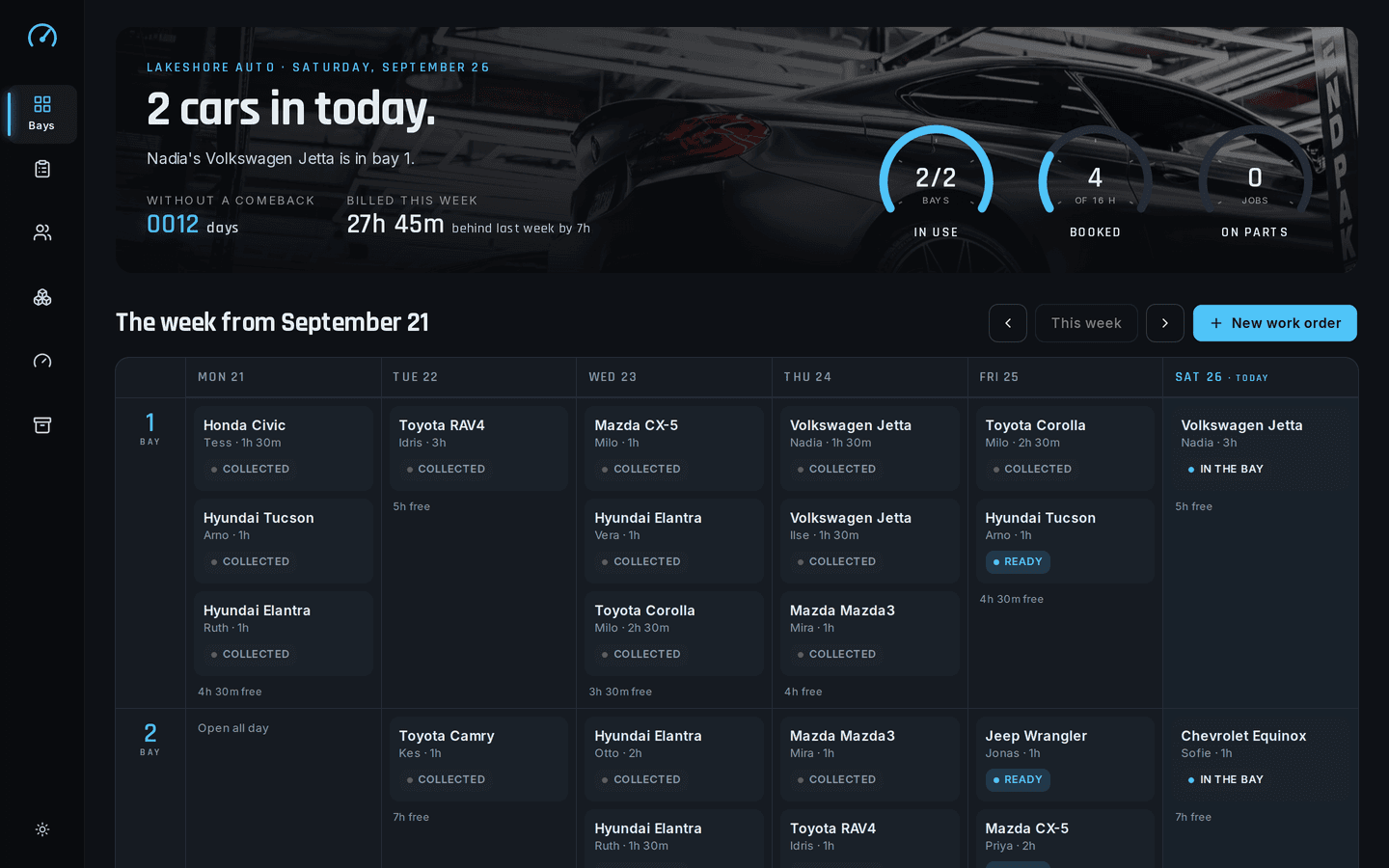
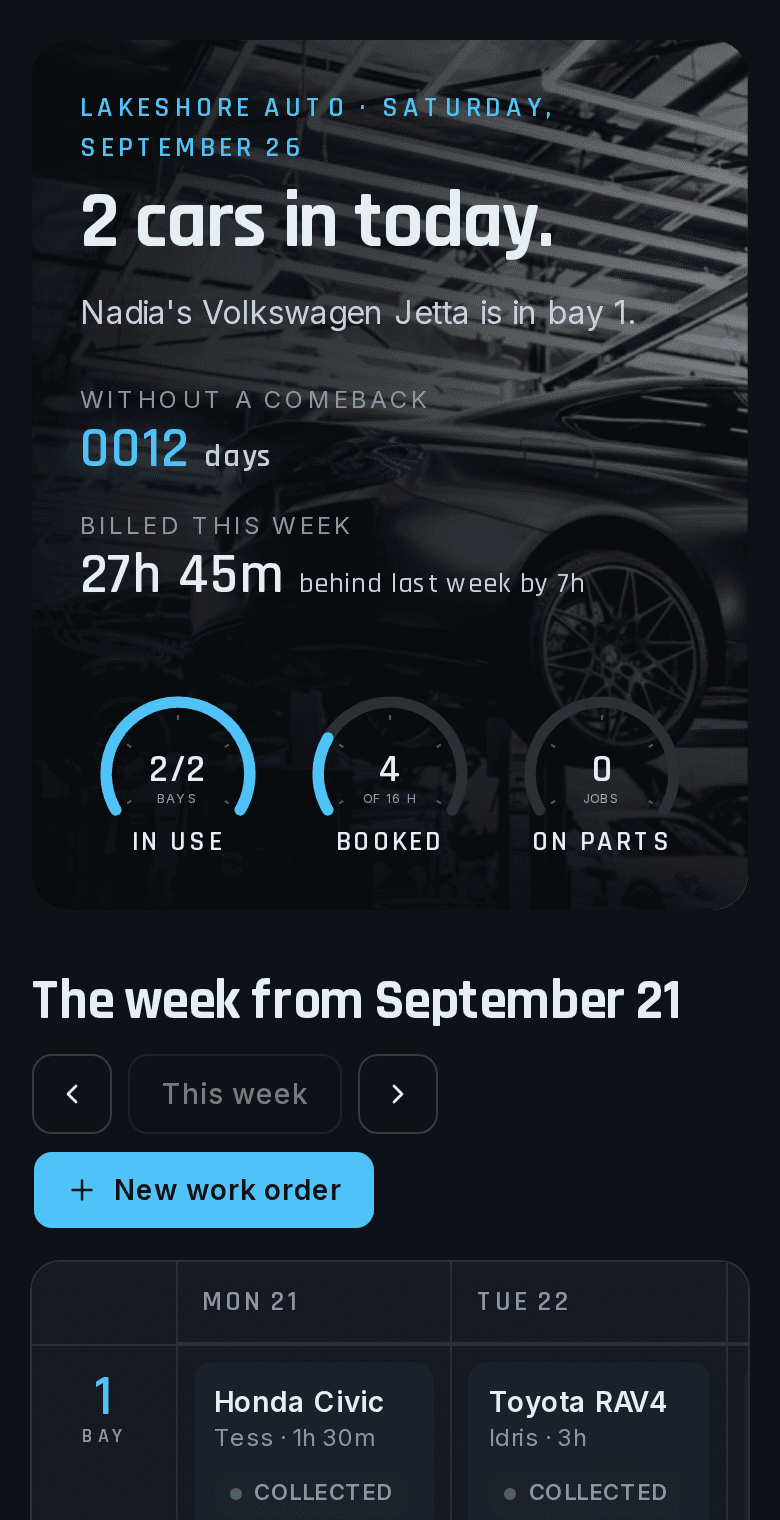
Torque
Work orders, bays and parts for a two-bay garage, on the computer at the counter.
LocalAdaptedLive demo
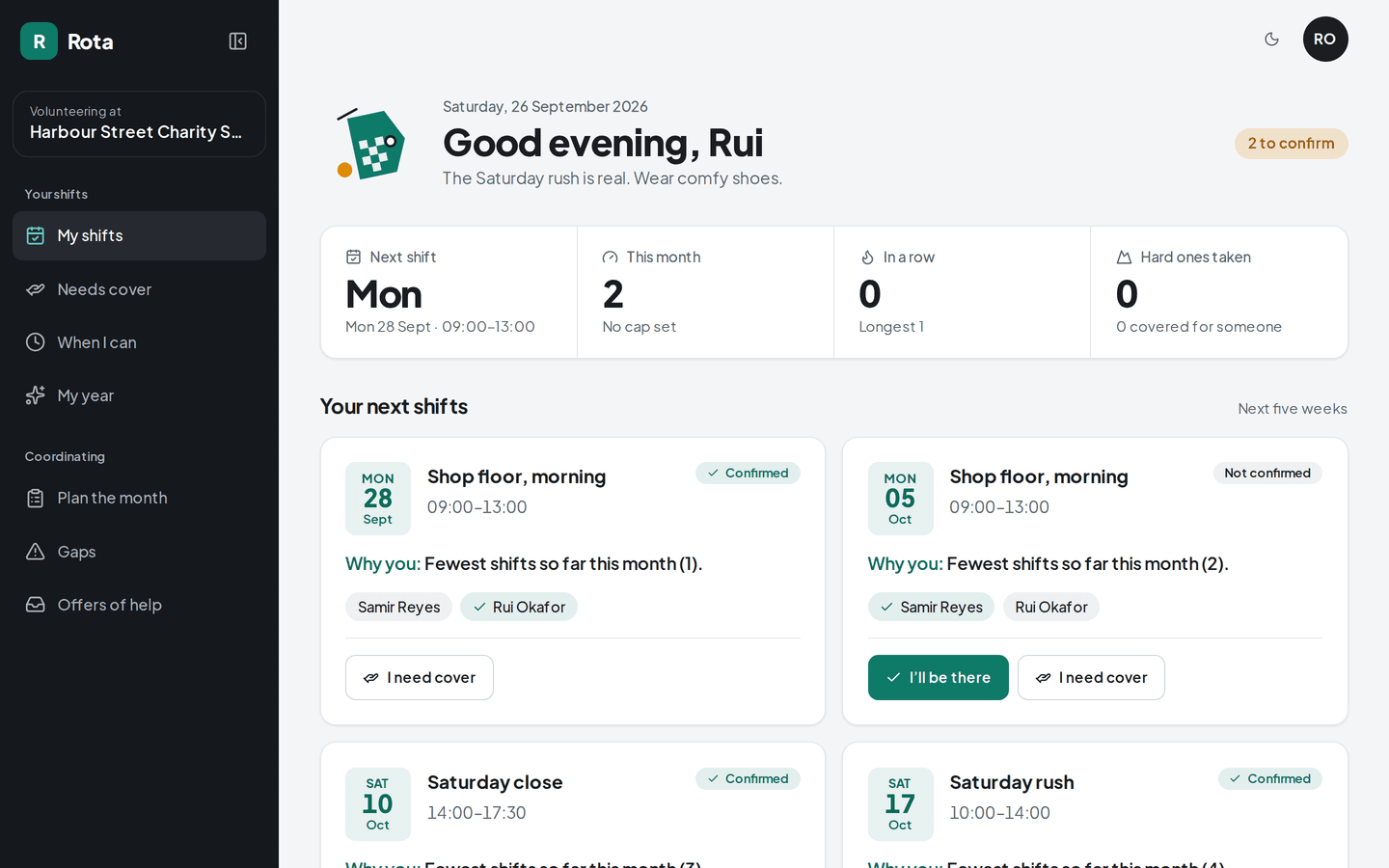
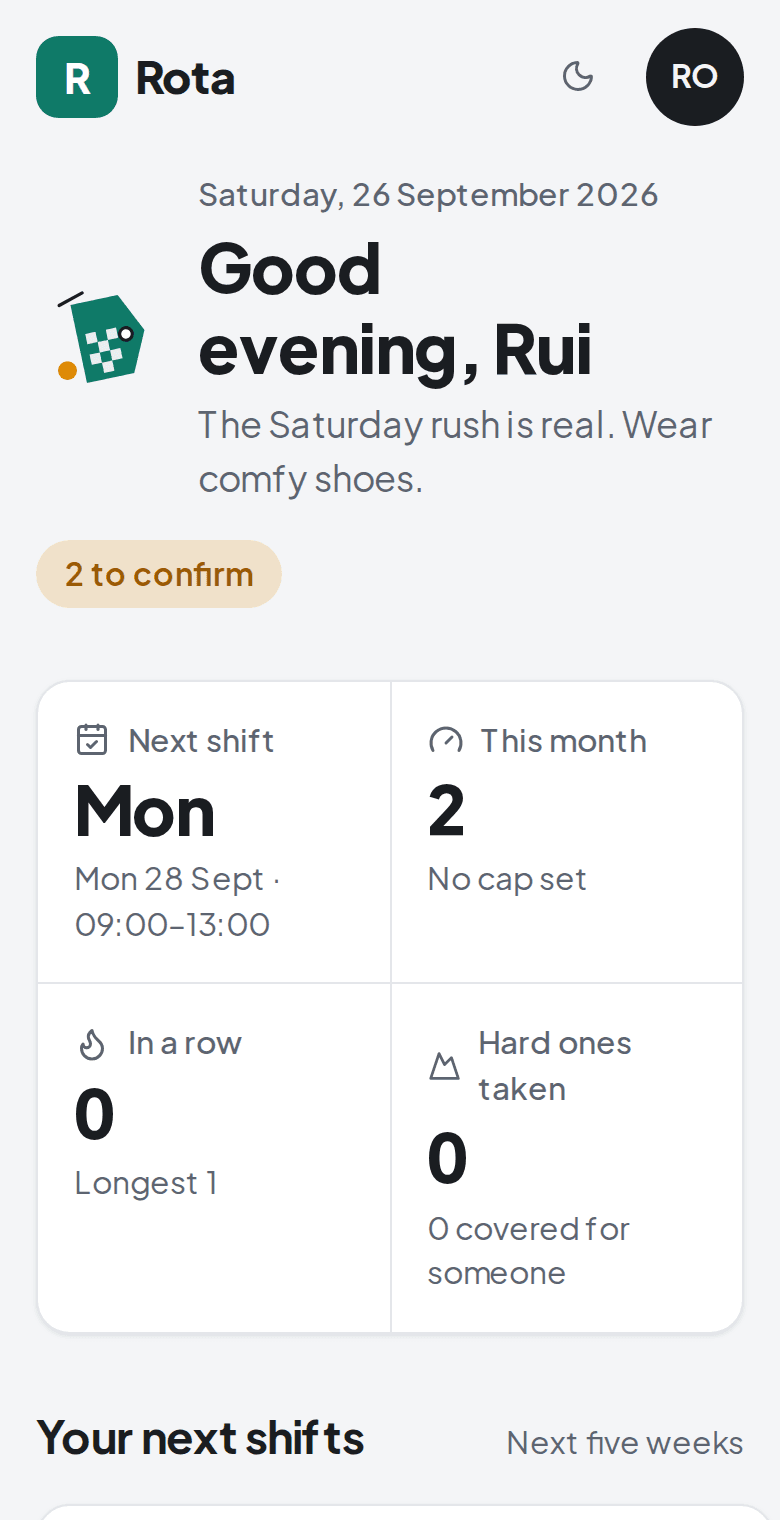
Volunteer coordinators
Shift
Fair shift schedules for groups that run on volunteers.
CloudAdaptedLive demo
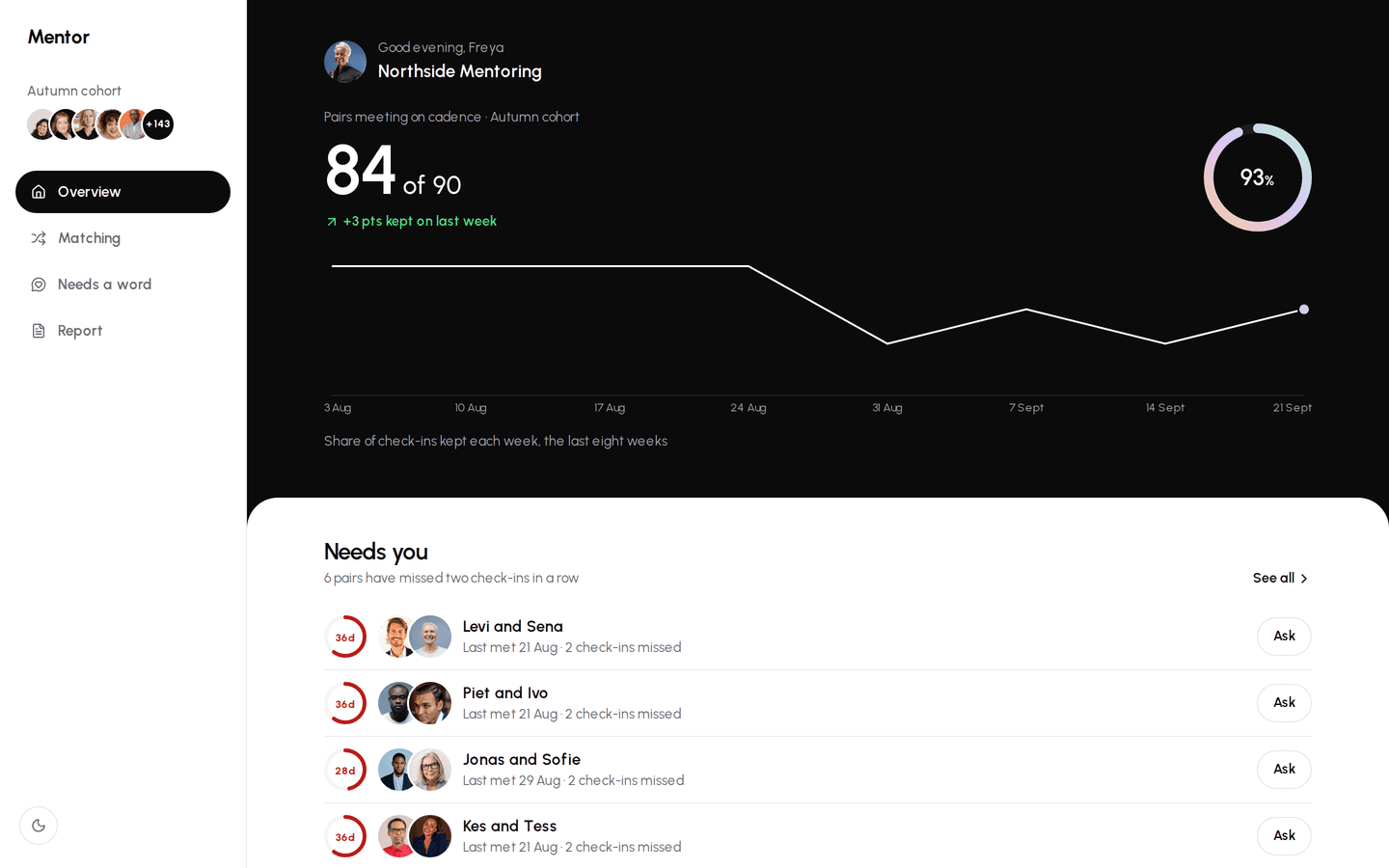
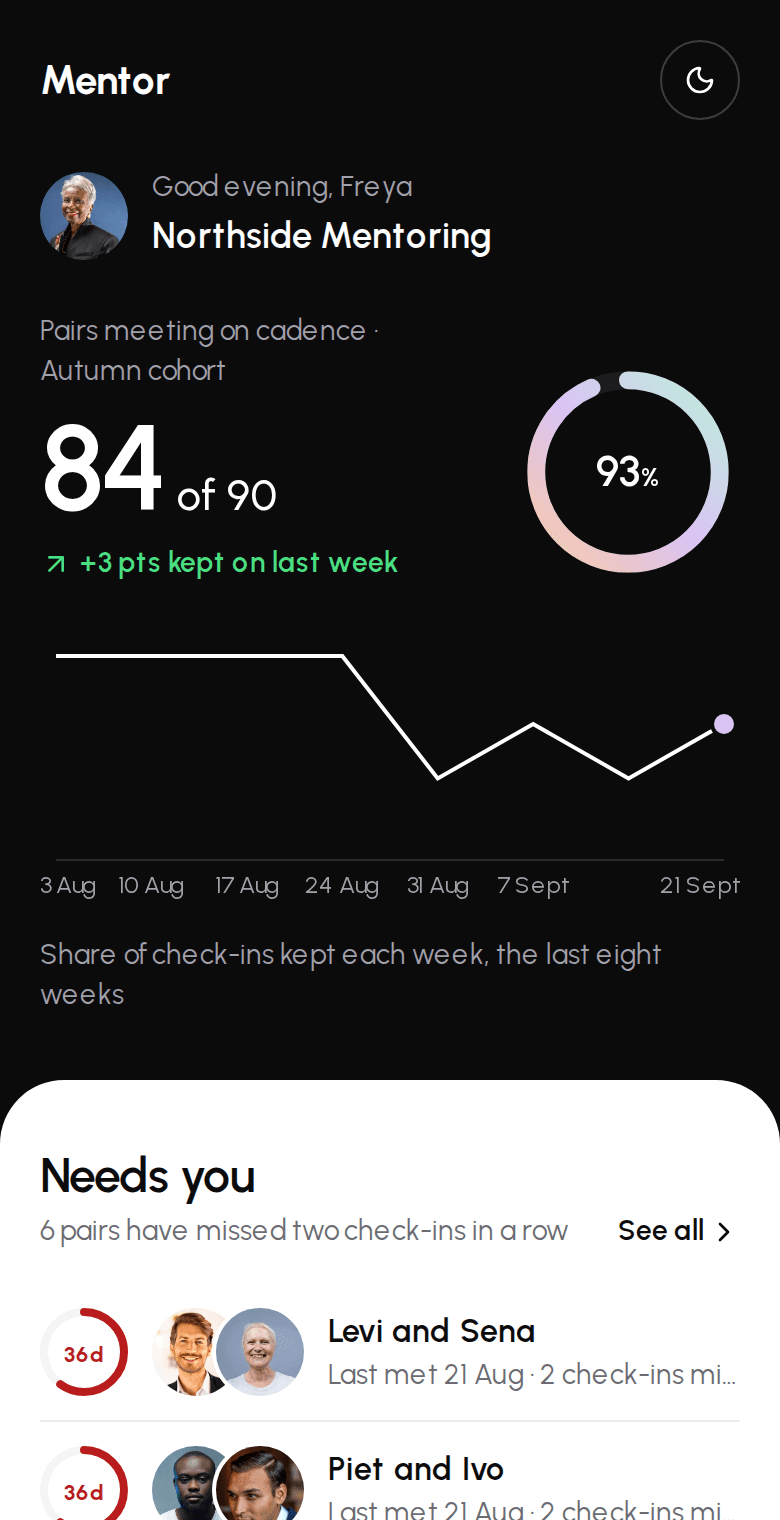
Mentoring programmes
Mentor
Fair matching and regular check-ins for mentoring programmes.
CloudCustomLive demo
Bands and their managers
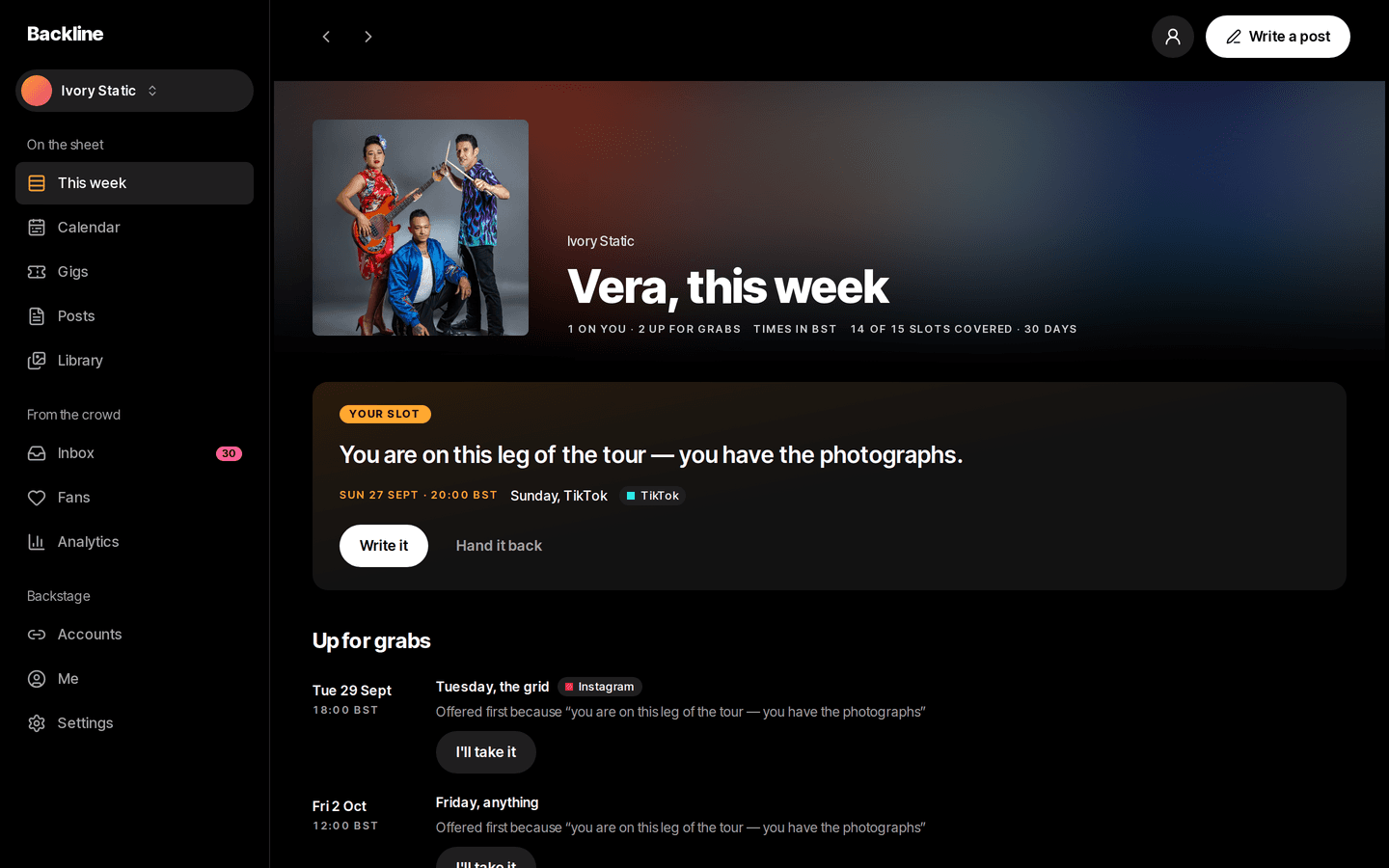
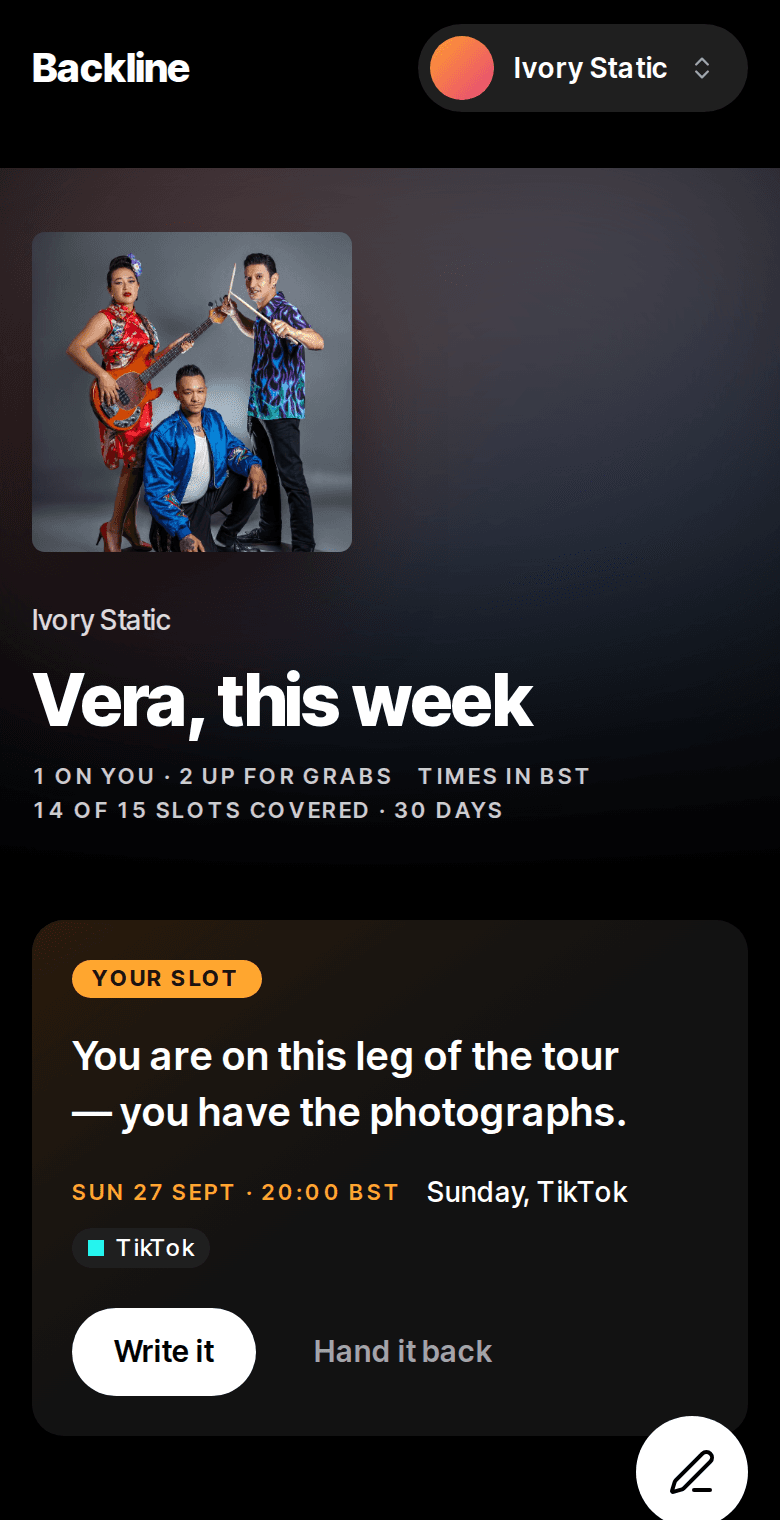
Backline
Social media planning for bands, shared between the members.
CloudAdaptedLive demo
Landscaping & lawn care
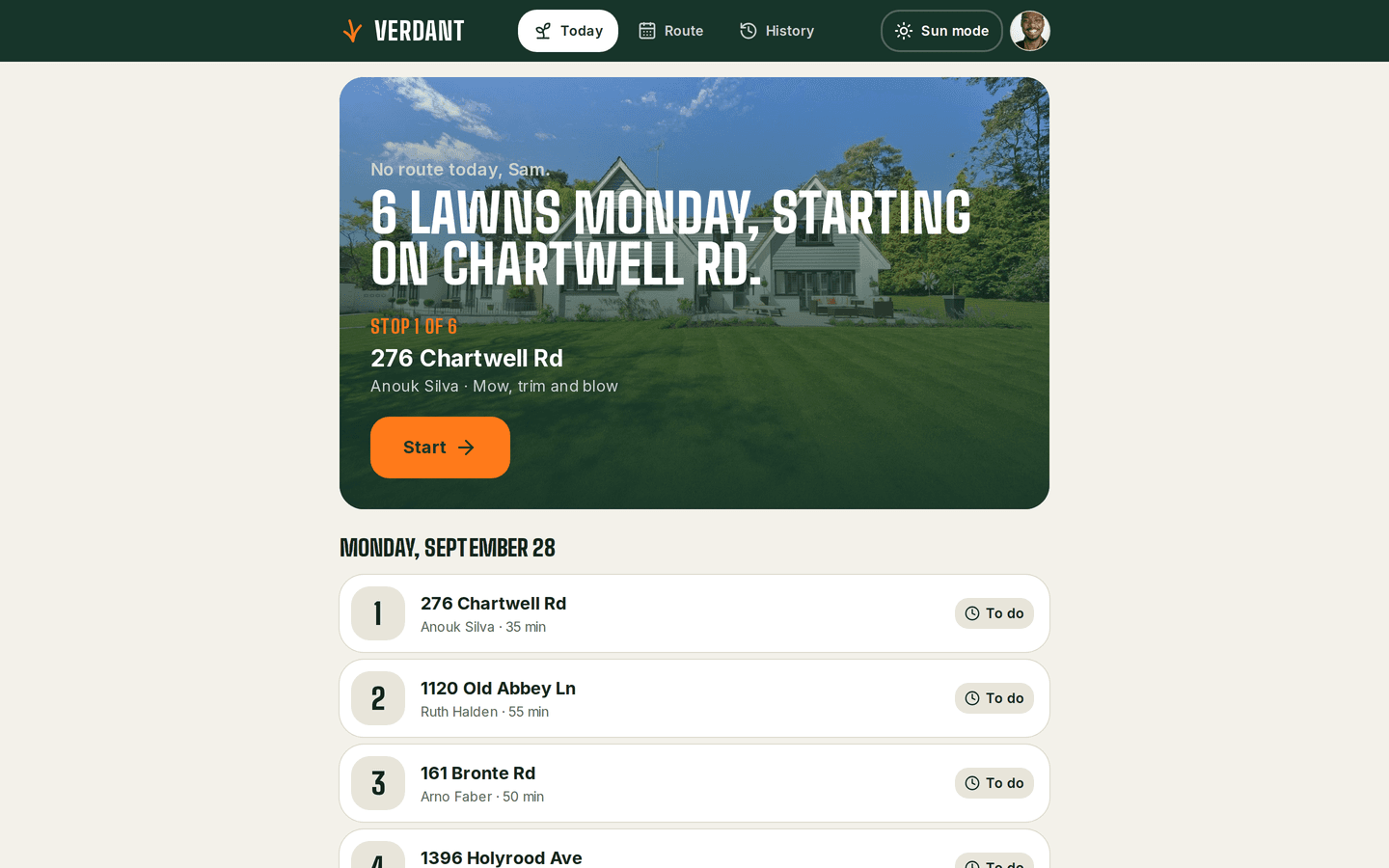
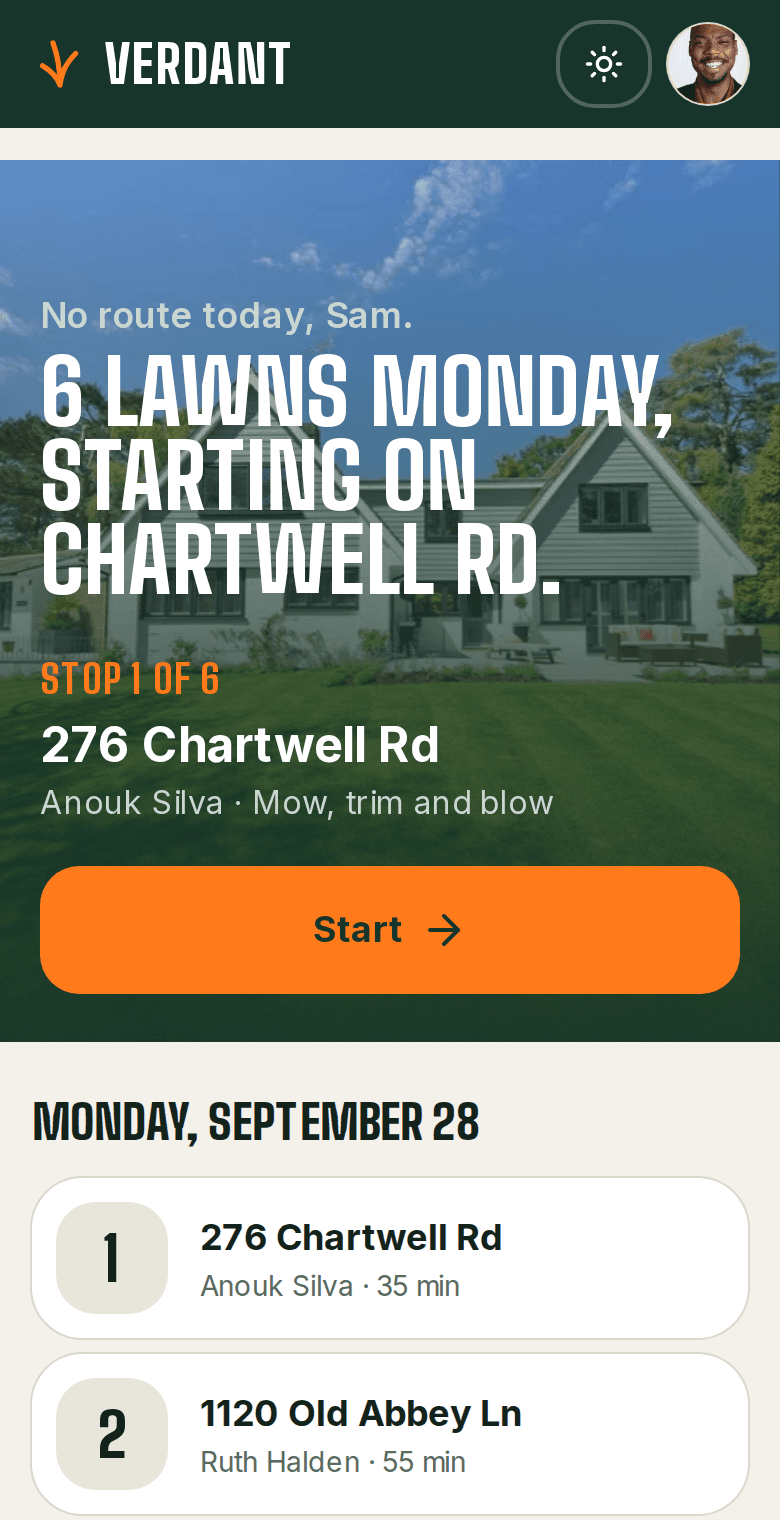
Crew
Crew scheduling for a landscaping company, used on a phone outdoors.
CloudPremadeLive demo
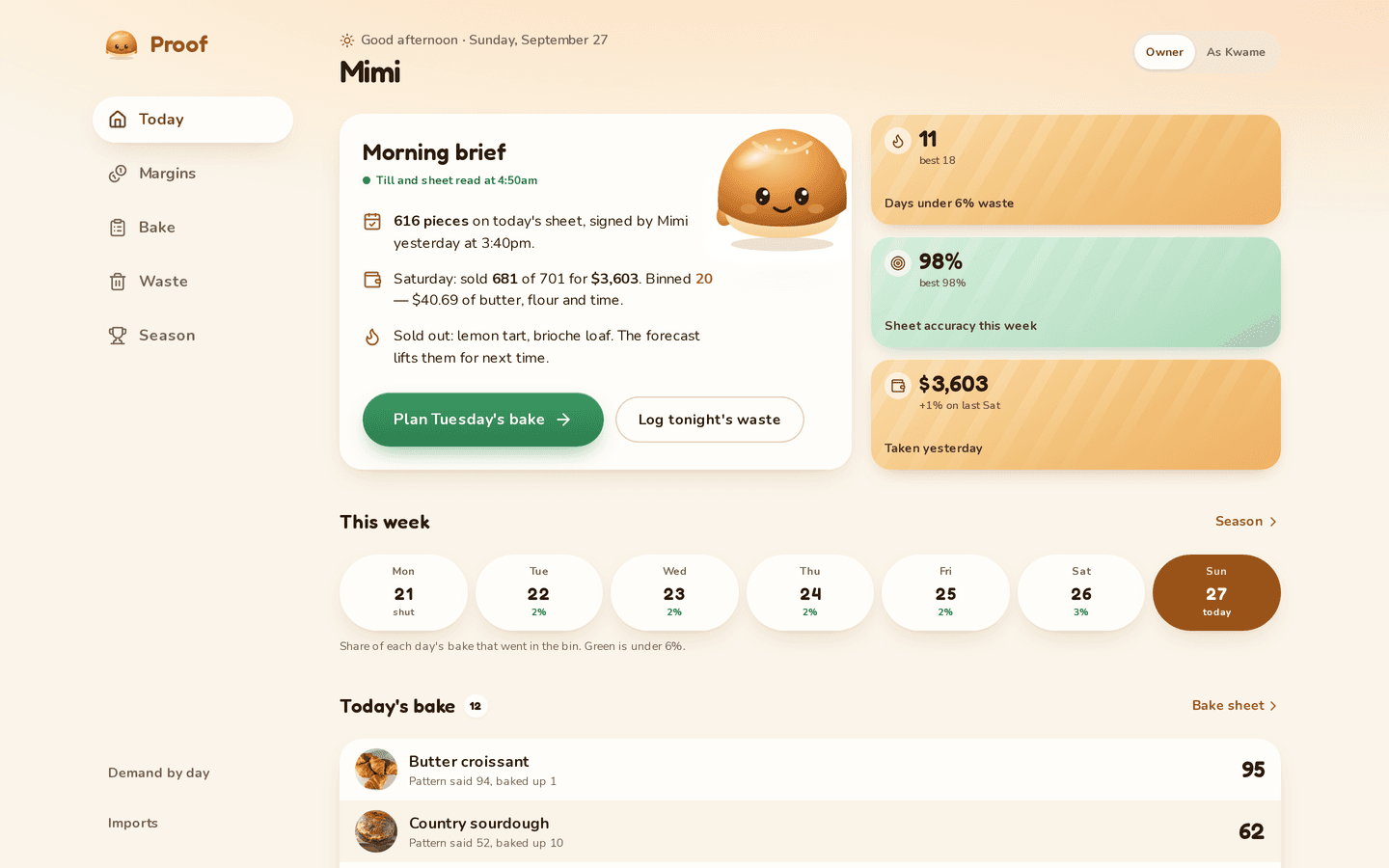
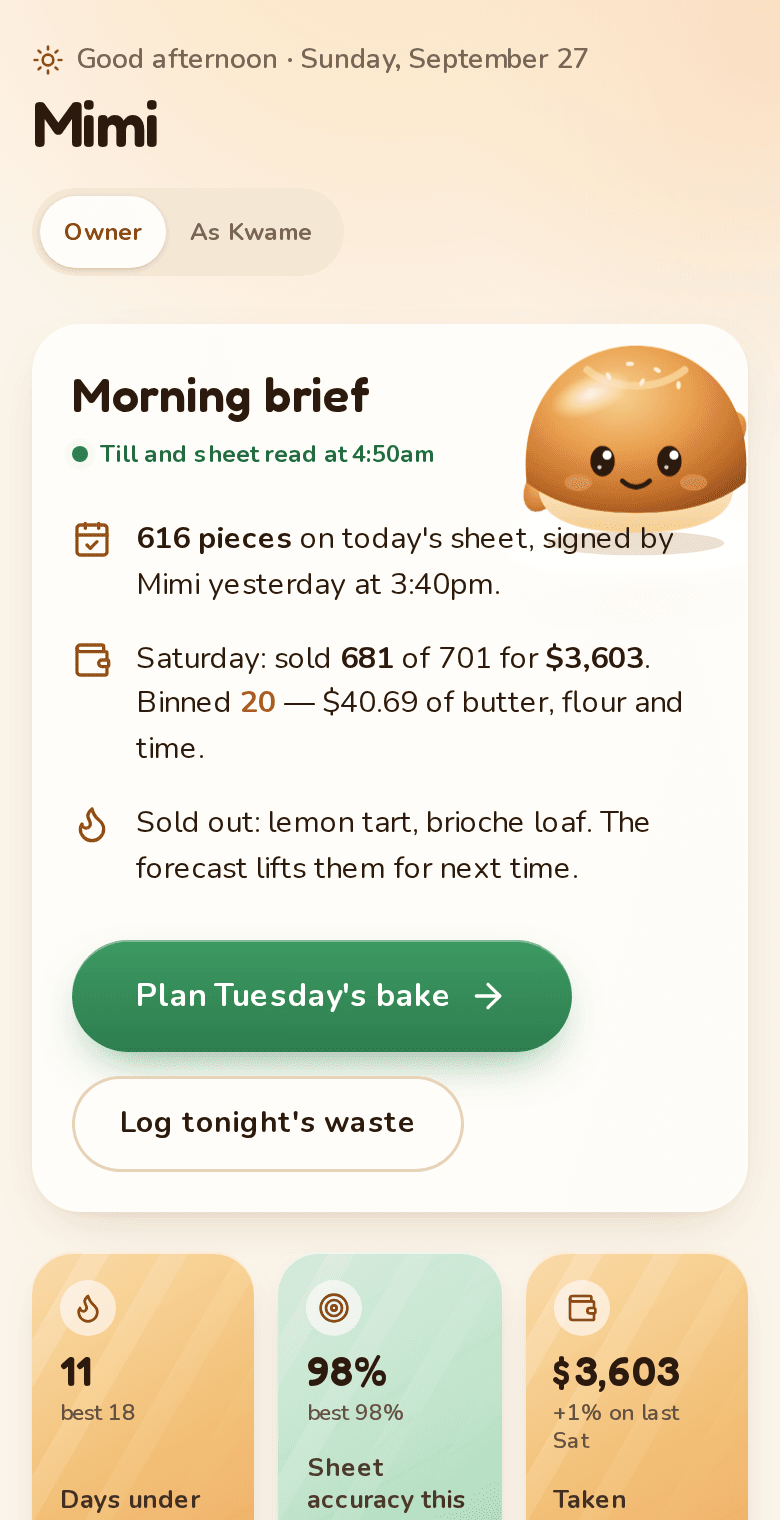
Small-batch bakery
Proof
Sales, waste and tomorrow's bake sheet for a small bakery.
CloudPremadeLive demo
13 demos
working apps you can open, each with its own database
You own it
the code and the data. Export all of it whenever you like
30 days
of free fixes after handover, then an optional monthly plan
What we build
Where would your app start?
From a demo as it is, from a demo changed to fit, or from nothing. What changes is how much is built new.
Premade
One of our demos, set up for your business.
We add your name, your people and your existing records. Good when one of the demos already does most of what you need.
- Working from the first day
- Your logo, your users and your data
- The shortest turnaround we offer
Adapted
The closest demo, changed to match how you work.
We start from a demo that already works and change what doesn't fit your business: the fields, the stages, the paperwork, the screens.
- Your words and your workflow
- Fields, stages and documents changed to match
- Connects to your other software, quoted per connection
Custom
Built new, for work none of the demos covers.
We learn how the work runs first, then design the app around it. It takes longer, and it's the right choice when nothing close exists.
- Designed around your process
- Connected to software you already pay for
- Scoped and quoted per project
Every project starts with a free call!
You get a written scope and a fixed price before any work begins. Turnaround starts at two weeks.
Where it runs
Online, or on one computer?
Any build can run either way. After the first call we'll recommend one and tell you why.
Cloud
Your team signs in from anywhere: a phone on site, a laptop at home, the computer at the counter.
- Several people at once, each seeing only what they should
- Sign in with a link sent by email, no password to forget
- Who-can-see-what is enforced by the database itself
- Backups and updates handled for you
- Hosted in your own accounts, or by us for a monthly fee
Right when: more than one person uses it, or anyone uses it away from the building.
More about cloud buildsLocal
Runs on one computer, with no accounts, no internet connection and no monthly fee.
- Installed on a computer you already have
- All your data in a single file you own
- Keeps working when the internet is down
- Backed up by copying that file somewhere safe
- Set up in person around the Greater Sudbury area, or over a screen share anywhere else
Right when: one person uses it, the connection is unreliable, or you don't want another monthly bill.
More about local buildsYour data
What about the data you already have?
You won't have to type it in again.
It reads the files you already have
Spreadsheets, CSV files, point-of-sale and accounting exports. If your software has an export button, the app can read it every night. Proof, the bakery demo, reads a till export this way.
Or the work happens in the app
Jobs, shifts or orders can be entered, updated and closed in the app itself, so nothing gets typed into two places.
Your history comes with you
We import your past records before launch, so the app opens with your own data in it on the first day.
How it works
What happens after you get in touch?
Five steps. You know the price before any work starts.
- First
A free 30-minute call
You walk us through how the work moves today: who does what, where it gets stuck, and what gets written down twice.
- A few days later
A written scope and a fixed price
Every screen, what it does and what it doesn't, with a price and a finish date. Nothing is billed until you accept it.
- From two weeks
The build
You can open it and try it while it's being built. Small corrections happen as we go. Anything bigger gets a revised quote before we do it.
- Launch week
Setup with your data
We import your records, add your people and show them how it works. In person around Greater Sudbury, or over a screen share anywhere else.
- After launch
30 days of free fixes
For 30 days after handover, fixes and small changes cost nothing. After that there's an optional monthly support plan.
Turnaround is two weeks at the least. That's for the simplest premade setup. Most projects take longer, and the scope gives you the real date.
Questions
What do people ask before getting in touch?
How much does it cost?
Each project is quoted on its own. The price depends on how many screens there are, how many people use it and what each of them can see, how much existing data we import, and how much is built new, and how many other services it connects to. After a free first call you get a fixed price in writing, before any work starts.
How long does it take?
Two weeks at the least, for a premade setup. Adapted builds usually take several weeks and custom builds longer. The written scope gives you a finish date.
Who hosts it?
Your choice. We can set it up in your own accounts, so it's billed to you and you hold every key. Or we host it for a monthly fee, and you can move it to your own accounts whenever you want. A local build runs on your computer and needs no hosting.
Who owns the code and the data?
You do. The code and the database are yours, and you can export all of it at any time.
What happens after launch?
For 30 days after handover, fixes and small changes are free. After that you can take an optional monthly support plan. If you don't, the app keeps running as it is.
Do we need to meet in person?
No. Everything can be done over video calls and screen shares. Around the Greater Sudbury area we can also come to you, which helps most when we're installing a local build on your computer.
How big is DashForge?
Small. We take on small and medium projects. If you need a large team with a support desk, we'll tell you on the first call.
Can it work with software we already use?
Yes, as many as you need. If your accounting or point-of-sale software works well, the app reads from it and leaves it alone. We only replace the parts that live in spreadsheets today.
How is a connection to another service quoted?
By how much it does. A payment link or a map on an address is the smallest kind. Keeping invoices, customers or orders in step both ways takes much longer. Every connection is quoted on its own, in writing, before work starts.
Are the demos real apps?
Yes. Each one is a working web app with its own database, filled with sample data. We built them to show what we can do, and any of them can be the starting point for your build.
What are you keeping track of?
Tell us how the work moves through your business now. The first call is free, and we'll say whether we're the right people to build it.
Every project is quoted on its own. Turnaround starts at two weeks.